TRACOE Distribution in Canada
Atos Medical is pleased to announce that effective September 1, 2026 Atos Medical Canada will assume direct responsibility for the distribution, customer service, and commercial support of the TRACOE product portfolio in Canada.
Until the transition date, please continue to source your TRACOE products through your existing channels.
Additional information regarding ordering procedures, customer service contacts, and account setup will be shared prior to the transition to Atos.
What is a Tracheostomy?
The basics to get started
A tracheotomy is a procedure which consists of creating an opening in the neck for direct access to the windpipe (trachea). The opening is called a tracheostomy or sometimes a tracheostoma. There are many potential reasons for the purpose of a tracheostomy, including easier breathing and secretion management. A tracheostomy can be either temporary, 2-4 weeks, or more long-term, months – years, or in some cases permanent, depending on the needs and reason for having it.

Lung Health and Function of the Airway
After a tracheostomy, breathing undergoes significant changes as air enters directly through the tracheostomy tube, which requires new methods to ensure the air is properly filtered, warmed, and humidified. Understanding these changes to your breathing can help ensure your lungs stay healthy and your breathing remains comfortable after a tracheostomy.


Getting Started with Heat and Moisture Exchangers (HMEs) for Tracheostomy Care
After a tracheostomy, the air you breathe in bypasses the natural humidification and warming functions of your upper airways. Instead, unconditioned air enters directly into your lungs via the opening in your neck or tracheostoma, which can impact the lungs’ health and proper functioning.
An HME is a device that works in a similar way to your nose. The HME captures moisture and heat from the air you now breathe out through your neck and uses it to humidify and warm the air you breathe in, helping to maintain your lung health and comfort.
Understanding my Tracheostomy Tube
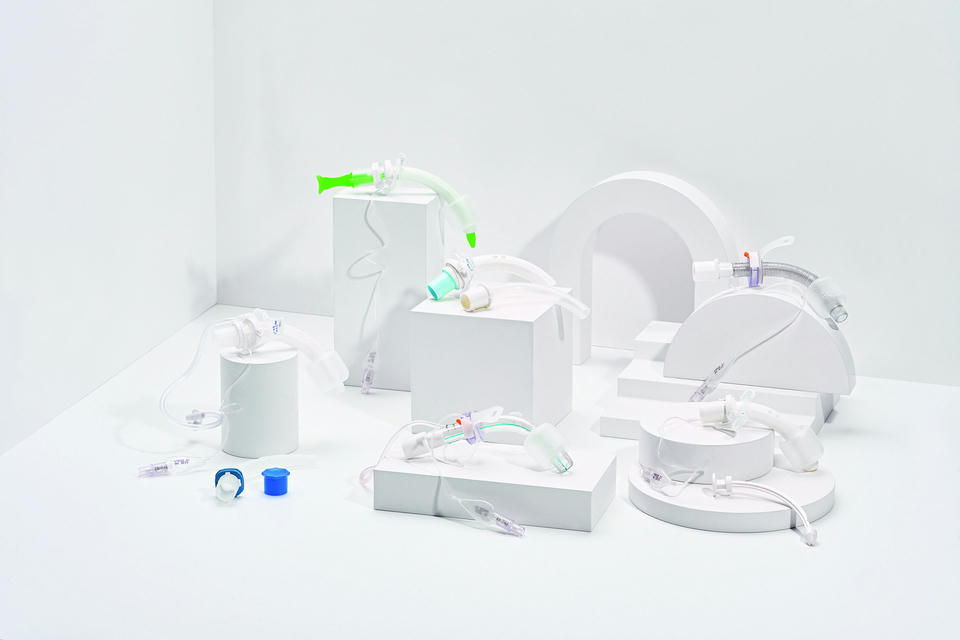
Understanding the components and structure of a tracheostomy tube is important for helping manage it. This document will guide you through the features of various types of tubes, highlighting their different functions.

Caring for My Skin and Stoma
Providing attentive care to the stoma and surrounding skin is essential for reducing the risk of irritation, infection, and skin breakdown which can adversely affect your health and recovery. This page provides a guide on stoma and skin care and details the products commonly utilized for this purpose.


Speaking
Your voice is a big part of your identity – it’s how you express your thoughts, feelings and ideas. Your voice is produced by vocal cords located within the voice box. During exhalation, the air passes through the vocal cords, producing sound for your voice. The sound then travels to your mouth and you move your lips, teeth and tongue to produce meaningful speech.